Bricks, Beads and Bones: The Harappan Civilisation
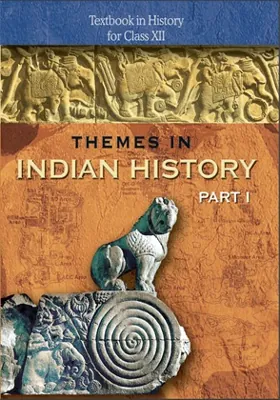
Chapter 1 of the Class 12 History NCERT textbook (Themes in Indian History Part I), "Bricks, Beads and Bones — The Harappan Civilisation", covers the Harappan (Indus Valley) Civilisation across three phases from 6000 BCE to 1300 BCE, examining its urban planning, subsistence strategies, craft production, long-distance trade, and how archaeologists have reconstructed its history from material evidence.
- 1Three phases: Early Harappan (6000–2600 BCE), Mature Harappan (2600–1900 BCE), and Late Harappan (1900–1300 BCE); the Mature phase is the most prosperous urban period
- 2Five major cities — Rakhigarhi, Mohenjodaro, Harappa, Dholavira, and Ganweriwala — out of more than 2000 sites discovered in the Indian subcontinent
- 3Mohenjodaro was divided into a walled Citadel (higher, smaller) and a larger Lower Town with a grid-pattern street layout and an estimated 700 wells
- 4Bricks were standardised across all Harappan settlements: length and breadth were four times and twice the height respectively
- 5The Harappan script has between 375 and 400 signs, was written right to left, and remains undeciphered; the longest known inscription contains about 26 signs