Colonialism and the Countryside
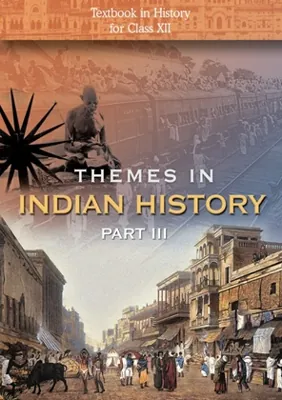
Chapter 9 of the Class 12 History NCERT textbook (Themes in Indian History Part III), "Colonialism and the Countryside — Exploring Official Archives", examines how colonial rule transformed the Bengal countryside through the Permanent Settlement of 1793, disrupted the Paharias and Santhals in the Rajmahal hills, and drove Deccan ryots into debt that culminated in the 1875 revolt.
- 1The Permanent Settlement (1793) fixed revenue permanently with zamindars in Bengal; over 75% of zamindaris changed hands due to defaults in the early years after the settlement
- 2The Sunset Law required revenue to be paid by sunset on a specified date; failure meant the zamindari was liable to be auctioned — in Burdwan alone over 30,000 rent-arrear suits were pending in 1798
- 3Jotedars — rich peasants in North Bengal who held sometimes several thousand acres and controlled local trade and moneylending — resisted zamindari authority through deliberate revenue delays and benami auction purchases
- 4The Fifth Report (1813), running to 1002 pages, documented EIC administration in India; recent research shows it exaggerated the collapse of zamindari power and the scale of zamindar displacement
- 5Paharias of the Rajmahal hills practised shifting cultivation with hoes, growing pulses and millets; the British pursued extermination campaigns in the 1770s and shifted to pacification under Collector Augustus Cleveland of Bhagalpur from the 1780s