Wit and Wisdom
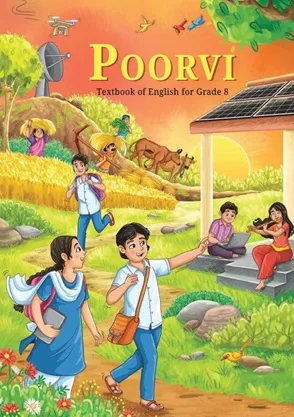
Unit 1 of the Class 8 English NCERT textbook (Poorvi), "Wit and Wisdom", bundles three texts around the theme that cleverness, humour, and keen observation are as valuable as knowledge or strength. The prose story of Tenali Ramakrishna, the humorous poem "A Concrete Example", and the play "Wisdom Paves the Way" each show wit and sharp reasoning winning the day.
- 1King Krishnadeva Raya (ruled 1509–29 CE) led the Golden Era of the Vijayanagara Empire; his court included eight celebrated poets called the Ashtadiggajas, among them Tenali Ramakrishna.
- 2In "The Wit that Won Hearts", Queen Thirumalambal yawned while the king recited his poem late at night; the king mistook this for disrespect and stopped speaking to her for weeks.
- 3Tenali Rama resolved the quarrel indirectly: in open court he claimed his paddy seeds would fail if sown by someone who yawns—making the king yawn spontaneously and realise that yawning is as natural as breathing.
- 4The poem "A Concrete Example" by Reginald Arkell uses AABBCC rhyme, a humorous tone, situational irony, alliteration, and a pun in its title (concrete = stone in a garden; concrete = a clear example).
- 5In the play "Wisdom Paves the Way", Ram Datt deduced lameness from uneven track depth; Shiv Datt deduced right-eye blindness because the camel grazed only left-side foliage; Har Datt deduced a short tail from mosquito-bite blood droplets; Dev Datt deduced stomach pain from the depth of the forefeet prints versus faint hind-foot prints.